 Log in
Sri Lanka Launches Digital Nomad Visa in 2026 to Attract Long-Stay Remote Travellers
13-Feb-2026
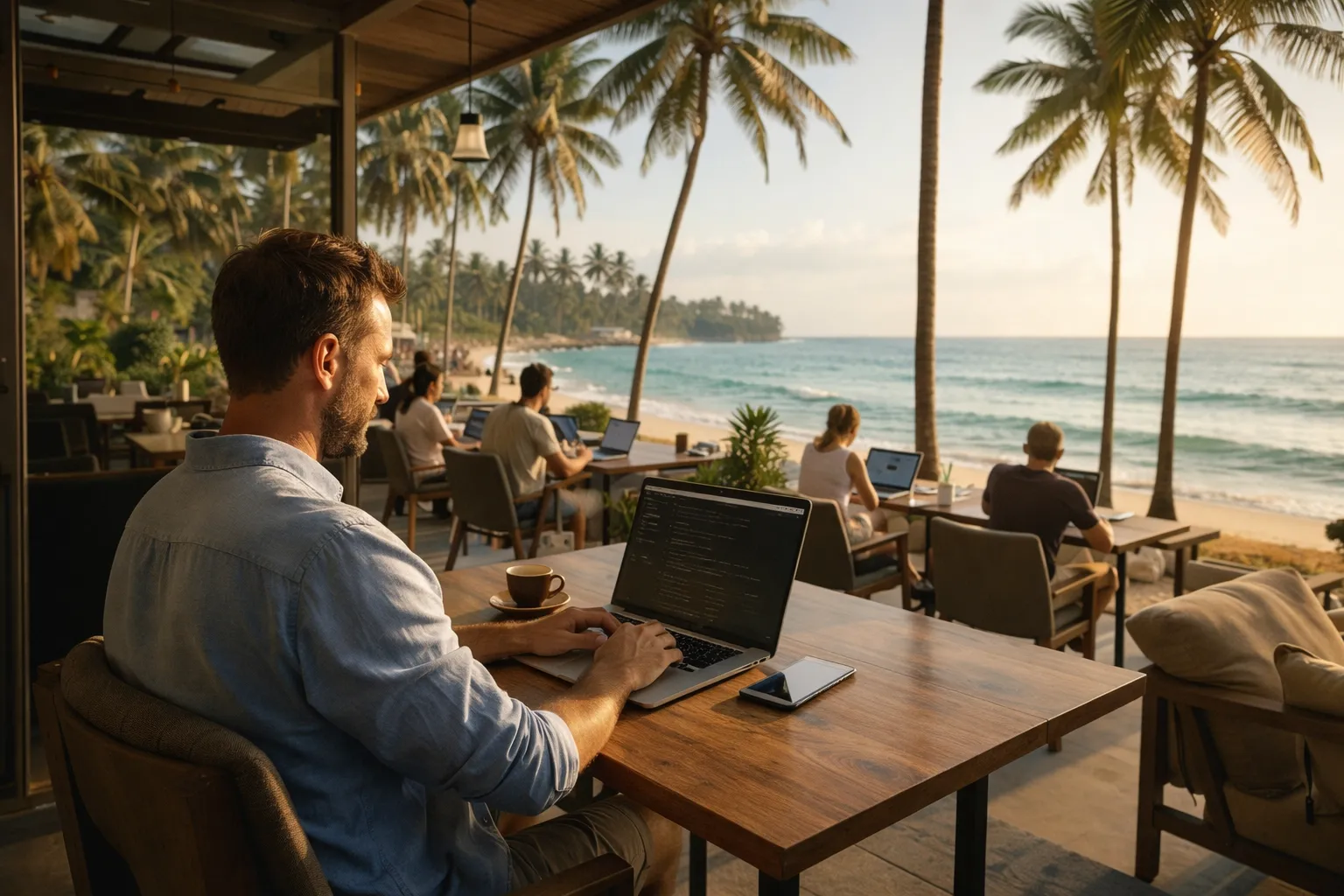
In a major policy shift aimed at strengthening long-stay tourism, Sri Lanka officially launched its Digital Nomad Visa in February 2026, allowing remote workers, freelancers, and online entrepreneurs to legally live and work on the island for extended periods.
This move places Sri Lanka among the fastest-growing destinations for global digital nomads, particularly those seeking affordability, natural beauty, and a relaxed lifestyle while working remotely.
Why Sri Lanka Introduced the Digital Nomad Visa
Sri Lanka’s tourism authorities identified a growing global demand for work-from-anywhere travel following the rise of remote jobs worldwide. Traditional short-term tourist visas no longer met the needs of long-stay travellers who wanted legal clarity, stability, and access to local services.
The new visa directly addresses:
- Long-term accommodation demand
- Off-season tourism stability
- Increased local spending by high-value visitors
- Diversification beyond short leisure trips
Key Features of Sri Lanka’s Digital Nomad Visa (2026)
- Extended Stay Duration: Allows remote professionals to stay legally beyond standard tourist visa limits
- Remote Work Friendly: Designed specifically for individuals earning income from outside Sri Lanka
- Renewable Options: Visa extensions available subject to eligibility
- Family Inclusion: Dependents may accompany the primary applicant
- Legal Compliance: Eliminates risks associated with working on tourist visas
Who Can Apply for the Digital Nomad Visa
The visa is ideal for:
- Remote employees
- Freelancers and consultants
- Online business owners
- IT professionals and creatives
- Location-independent entrepreneurs
Applicants must demonstrate foreign-sourced income and valid health and travel documentation.
Why Digital Nomads Are Choosing Sri Lanka in 2026
Sri Lanka offers a unique blend of lifestyle and practicality for remote workers:
- Reliable internet in major cities and coastal hubs
- Affordable cost of living compared to Europe and Australia
- Diverse accommodation options for long stays
- Warm climate and scenic work environments
- Strong café culture and coworking spaces
Popular digital nomad locations include Colombo, Galle, Mirissa, Weligama, Kandy, and Ella.
Impact on Sri Lanka Tourism in 2026
Tourism experts expect the Digital Nomad Visa to:
- Increase average tourist stay duration
- Boost local economies year-round
- Support sustainable tourism growth
- Reduce dependency on seasonal travel
This policy aligns with Sri Lanka’s broader tourism recovery strategy for 2026 and beyond.
How gosrilanka.no Helps Digital Nomads Plan Their Stay
At gosrilanka.no, we help travellers and remote workers:
- Understand visa options
- Plan long-stay itineraries
- Find suitable destinations for work and leisure
- Explore accommodation and lifestyle guidance
Whether you’re planning a short exploration or a long remote stay, our platform provides up-to-date Sri Lanka travel insights.
Frequently Asked Questions (FAQ)
Is the Digital Nomad Visa officially available in 2026?
Yes. Sri Lanka officially launched the Digital Nomad Visa in February 2026.
Can I work legally in Sri Lanka on this visa?
Yes, provided your income is generated outside Sri Lanka.
How long can I stay in Sri Lanka as a digital nomad?
The visa allows long-term stays beyond standard tourist visa durations, with renewal options.
Is Sri Lanka affordable for digital nomads?
Yes. Sri Lanka remains one of the most cost-effective destinations for long-term remote work in Asia.

-
13- February-2026Sri Lanka Launches Digital Nomad Visa in 2026 to Attract Long-Stay Remote Travellers
-
 11- February-2026Pakistan & India T20 World Cup 2026: Travel Guide for Colombo, Sri Lanka
 -
 04- February-2026New Direct Flights to Sri Lanka in 2026 Make Travel Easier for Global Tourists
 -
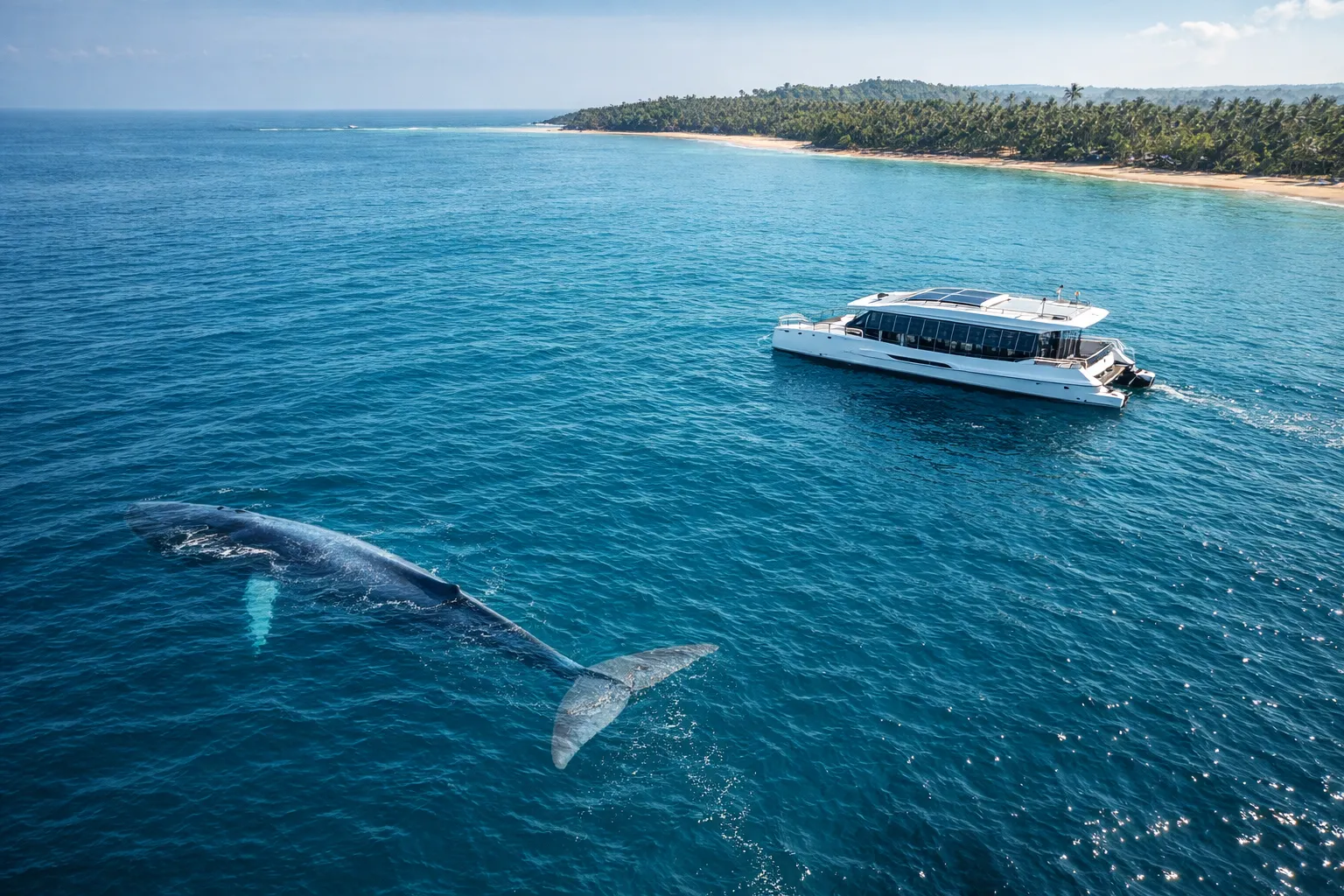 28- January-2026New Sustainability Protocols for Mirissa Whale Watching Effective January 2026.
